
Buy Ventolin Inhaler Online - trusted respiratory medication from certified sources
Ventolin is valued for its ability to deliver rapid breathing relief, ease chest tightness, stabilize airflow, and provide dependable support during sudden bronchospasm episodes.
| Product Name | Dosage | Price | Where To Buy |
|---|---|---|---|
| Ventolin Inhaler (Albuterol / Salbutamol) | 100 mcg | $21.50 | OnlinePharmacy |
Contents:
- Ventolin – a Core Medication for Rapid Bronchospasm Relief
- Key Advantages of Ventolin for Acute and Chronic Breathing Control
- Why Ventolin Remains Effective for Reversible Airway Obstruction
- Where to Buy Ventolin Safely and at a Reasonable Price
- Price Comparison for Ventolin Across Online Platforms
- How to Obtain a Valid Prescription for Ventolin
- Respiratory Conditions Best Managed with Ventolin
- Typical Ventolin Treatment Duration and Expected Outcomes
- Ventolin Forms, Strengths, and Inhaler Options
- What Users Can Expect from a Full Ventolin Therapy Cycle
- Individual Sensitivity and Possible Reactions
- How to Reduce Side Effects and Enhance Ventolin Effectiveness
Ventolin – a Core Medication for Rapid Bronchospasm Relief
Ventolin stands as one of the most dependable and fast-acting bronchodilators available today, earning a reputation for providing near-instant breathing relief when airways suddenly tighten. During moments when airflow becomes restricted and a patient struggles to draw a full breath, Ventolin acts as a reliable lifeline, restoring the freedom to breathe without hesitation. Its main value lies in the consistency of its action: users know that within minutes, the constricted muscles surrounding the bronchial tubes begin to relax, allowing air to move more freely. This dependable rapid response makes Ventolin a core medication for anyone who manages asthma, exercise-induced bronchospasm, or intermittent breathing flare-ups.
One of the strongest qualities of Ventolin is its suitability for unpredictable respiratory situations. Asthma attacks rarely occur at convenient moments, and episodes of airway constriction can intensify in minutes. Ventolin addresses this uncertainty by serving as a portable, ready-to-use solution that delivers results regardless of the circumstances. Whether kept at home, carried in a bag, or used before physical exertion, Ventolin works as a safeguard against sudden respiratory distress. Its inhalation format allows the medication to reach the bronchi almost immediately, bypassing the delays that come with pills or syrups. This targeted delivery not only accelerates relief but also minimizes systemic exposure compared to oral medications.
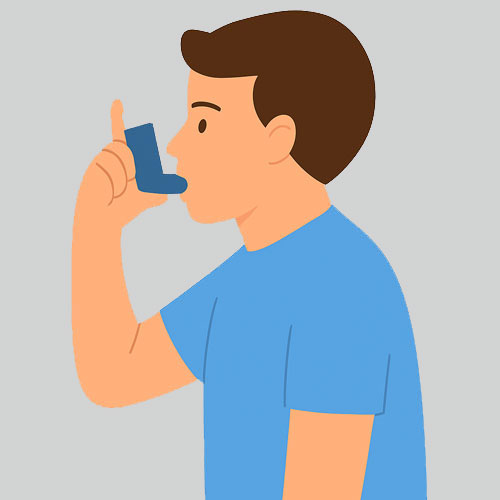
Ventolin has become a foundational therapy thanks in part to its balance between strength and safety. The active ingredient, albuterol sulfate, is specifically engineered to bind to beta-2 adrenergic receptors located primarily in the lungs. This selective action helps limit unwanted stimulation of other bodily systems while still providing effective bronchodilation. By focusing its effect on the respiratory tract, Ventolin offers patients the reassurance of strong symptomatic improvement with a predictable and well-documented safety profile. This reliability enhances patient confidence and encourages consistent adherence to rescue-medication guidance recommended by healthcare professionals.
Another reason Ventolin occupies such an essential position in bronchospasm management is its versatility across different age groups and clinical situations. It is widely used in pediatric care, adult respiratory therapy, and emergency protocols due to its fast onset and well-known response curve. This broad adaptability has allowed Ventolin to become a universal standard, recognizable to patients and clinicians around the world. For parents managing a child's asthma, athletes preparing for activity, or individuals with chronic respiratory disorders, Ventolin serves as a familiar and trustworthy rescue option that can be relied upon again and again. Its role extends from routine daily preparedness to acute intervention during more serious flare-ups.
Ventolin also plays a significant role in helping patients maintain emotional confidence when living with chronic respiratory conditions. Shortness of breath can trigger anxiety, and anxiety in turn can intensify breathing difficulties. Ventolin helps interrupt this cycle by giving individuals control during critical moments. Knowing that rapid relief is within reach reduces fear and allows patients to stay active, engage in exercise, and participate in daily life more freely. The psychological stability offered by a fast and dependable inhaler should not be underestimated, as it directly influences long-term wellbeing and quality of life. Ventolin empowers individuals to manage their symptoms rather than remain controlled by them.
As a part of emergency response protocols, Ventolin is frequently recommended in action plans for asthma, COPD exacerbations, and reactive airway events triggered by allergens, cold air, or physical exertion. Its ability to quickly expand narrowed airways makes it a frontline option in urgent scenarios. First responders, clinics, and hospitals rely on it not only for its bronchodilating power but also for its predictability even under pressure. Ventolin’s consistent performance under demanding circumstances reinforces its status as a core medication that forms the backbone of modern respiratory rescue strategies. When seconds matter, the certainty of Ventolin’s effect becomes more than a convenience — it becomes essential support for stabilizing breathing.
Key Advantages of Ventolin for Acute and Chronic Breathing Control
Ventolin offers a set of advantages that make it indispensable for individuals dealing with both sudden respiratory flare-ups and long-term breathing challenges. Its effectiveness begins with its ability to relax airway smooth muscles rapidly, widening the bronchial passages and restoring airflow in moments when every second matters. This immediate response provides a significant sense of security for people who experience unpredictable bronchospasm or have asthma that can worsen unexpectedly. The predictability of Ventolin’s action is a core reason why it remains one of the most trusted rescue inhalers worldwide, consistently delivering relief exactly when it is needed.
Another key benefit of Ventolin lies in its suitability for ongoing respiratory management. Although it is primarily classified as a rescue medication, its role extends beyond emergency situations. Individuals with chronic airway sensitivity, exercise-induced bronchospasm, or environmental triggers rely on Ventolin as a strategic tool for maintaining daily respiratory stability. For example, those who experience breathing difficulties during physical activity can use Ventolin preemptively to prevent airway constriction and maintain full performance capacity. This blend of acute relief and preventive usefulness makes the medication highly adaptable to different lifestyle demands.
Ventolin’s targeted mechanism contributes significantly to its advantages. Because it acts mainly on beta-2 receptors in the lungs, the medication produces strong bronchodilation without excessive stimulation of other bodily systems. This selectivity helps reduce the likelihood of unwanted reactions and gives users a medication that works powerfully yet with a controlled and predictable profile. This characteristic is especially important for individuals who require frequent use during periods of unstable symptoms. The ability to rely on Ventolin repeatedly while maintaining consistent effects reinforces its status as a cornerstone of modern respiratory care.
Convenience and accessibility also play a major role in the appeal of Ventolin. The compact inhaler design allows users to carry it privately and use it discreetly whenever symptoms begin to appear. Its portability ensures that protection is always within reach, whether someone is traveling, working, exercising outdoors, or simply going about daily activities. This level of mobility empowers patients to stay active and engaged in life without constantly worrying about potential breathing issues. Additionally, the straightforward dosage structure minimizes confusion and allows both adults and children to administer the medication quickly and confidently.
Ventolin provides significant advantages when it comes to stabilizing breathing during exposure to environmental triggers. Common irritants such as pollen, smoke, cold air, or household allergens can provoke airway tightening even in individuals who do not experience severe asthma on a regular basis. Ventolin helps break this cycle by delivering fast bronchodilation that counters the immediate effects of irritant exposure. For many people, the assurance that they can react instantly to sudden symptoms provides both physical and psychological comfort, making daily environments feel less threatening and more manageable.
The medication also plays an important role in supporting long-term respiratory treatment plans. Although Ventolin is not a controller medication, its ability to provide immediate relief complements maintenance therapies such as inhaled corticosteroids or long-acting bronchodilators. This synergy allows patients to maintain stable day-to-day respiratory health while still having access to rapid symptom control whenever necessary. Healthcare providers frequently include Ventolin in personalized management plans because of its reliability and its compatibility with a wide range of inhaled and systemic treatments. Its presence enhances overall treatment outcomes and helps reduce the severity of acute flare-ups.
Ventolin delivers a notable advantage in terms of patient confidence and independence. Breathing difficulties can disrupt routines, cause anxiety, and lead individuals to avoid activities they enjoy. Ventolin helps remove these limitations by offering immediate, dependable relief that restores a sense of control. Knowing that airway support is always available encourages users to participate in physical activities, travel more comfortably, and maintain an active lifestyle without the constant fear of sudden symptoms. This psychological empowerment is one of Ventolin’s most valuable long-term benefits, contributing to a higher quality of life and improved emotional resilience.
Why Ventolin Remains Effective for Reversible Airway Obstruction
Ventolin remains one of the most effective options for reversible airway obstruction because its active ingredient, albuterol sulfate, is designed to interact precisely with beta-2 adrenergic receptors located in the smooth muscles of the bronchi. When these receptors are activated, the surrounding muscles relax, allowing the airways to widen and restore airflow. This mechanism directly targets the core problem of reversible obstruction: narrowed, constricted air passages that restrict oxygen intake. By focusing its action exactly where the obstruction occurs, Ventolin provides rapid functional improvement that can be felt within minutes. This precision has helped the medication maintain a leading position among bronchodilators used for both emergency and routine relief.
The speed at which Ventolin works is another critical factor in its continued effectiveness. Many medications require systemic absorption before significant results can be observed, but Ventolin’s inhalation route bypasses this delay. Delivering the medication straight into the lungs ensures that it reaches the constricted areas almost immediately, making it especially useful during sudden breathing difficulties. For individuals with asthma, exercise-induced bronchospasm, or respiratory sensitivity triggered by allergens or temperature changes, the ability to achieve quick relief is invaluable. Ventolin consistently demonstrates a fast onset of action, which is essential during episodes where oxygen intake is compromised.
Reliability is a major reason Ventolin continues to be the standard rescue inhaler worldwide. Its predictable response profile ensures that patients know what to expect each time they use it. This consistency is especially important for people who must depend on the medication during emergencies. Ventolin has undergone extensive study for decades, accumulating a level of clinical evidence, real-world experience, and long-term safety data that newer medications rarely match. Its performance does not fluctuate across different user groups, which is why it remains trusted for adults, teenagers, and children alike. The robust foundation of medical research behind Ventolin reinforces confidence both among patients and healthcare professionals.
Ventolin’s effectiveness is further supported by its ability to reduce airway hyperresponsiveness over the short term. When airways tighten in response to triggers such as exercise or exposure to irritants, the muscles constrict unpredictably. Ventolin helps break this pattern by interrupting the tightening process and stabilizing the airways. This makes the medication particularly suited for situations where obstruction is temporary but intense. In addition, Ventolin’s bronchodilation effect helps remove mucus from the airways more efficiently, which further improves airflow and allows the lungs to function more freely. These combined effects contribute to smoother breathing and make it easier for patients to resume normal activities.
Another reason Ventolin remains effective is its compatibility with a broad range of respiratory treatment strategies. It works seamlessly alongside long-term controller medications, such as inhaled corticosteroids or long-acting bronchodilators, providing immediate support when symptoms break through. This makes Ventolin a vital component of multi-layer asthma management plans, as it fills the role of rapid intervention while other medications maintain long-term stability. Its flexibility means it can be used before exercise, during exposure to known triggers, or at the very onset of symptoms. This versatility reinforces its reputation as an essential tool for anyone managing reversible airway obstruction.
Ventolin also continues to prove effective due to its minimal dose requirements for noticeable results. Because the medication is delivered directly into the lungs, only a small amount of the active compound is needed to achieve strong bronchodilation. This increases the benefit-to-risk ratio and supports safer long-term use when needed. Even for individuals who experience frequent episodes of obstruction, Ventolin’s targeted action helps limit unnecessary systemic exposure. This efficiency sets it apart from older bronchodilators that lacked such receptor selectivity and often caused more widespread effects on the body.
Ventolin remains highly effective because it empowers patients to manage their symptoms without delay. Reversible airway obstruction can create fear, discomfort, and a sense of helplessness, especially when breathing becomes difficult unexpectedly. Ventolin gives users a practical, fast, and reliable solution that restores control in moments of uncertainty. This psychological relief enhances the physical benefit, helping break the cycle of panic-induced breathing issues. The combination of speed, precision, reliability, and ease of use has ensured that Ventolin continues to be one of the most trusted and effective medications for rapid bronchodilation and airway restoration.
Where to Buy Ventolin Safely and at a Reasonable Price
Ventolin can be purchased through several reliable channels, and choosing the right one helps ensure that the medication is authentic, properly stored, and delivered in the correct formulation. Online pharmacies, local drugstores, and licensed telemedicine platforms each offer access to Ventolin, but their conditions, prices, and verification steps differ. Patients seeking convenience often choose online sources, while those who prefer face-to-face reassurance usually rely on local pharmacies. Regardless of the chosen route, the goal is to obtain genuine medication produced by reputable manufacturers. A thoughtful approach to selecting a purchase channel reduces the chances of encountering low-quality or counterfeit products.
Before choosing an online seller, buyers often check whether the platform provides transparent company data, verified contact information, and clear details about the medication’s origin. These indicators show that the pharmacy operates legally and offers regulated products. Trustworthy websites list the manufacturer, dosage strength, inhaler format, and expiration date, giving customers confidence in what they are purchasing. Many legitimate platforms also display certification badges and registration numbers that can be cross-checked through official regulatory websites. Such verification steps allow buyers to evaluate the seller without relying on assumptions.
Local pharmacies remain a reliable option for many people because they offer the advantage of in-person assistance and immediate access to the medication. While prices may be slightly higher than some online alternatives, buyers gain the benefit of face-to-face clarification regarding product differences, usage techniques, or packaging variations. Another advantage is the ability to physically inspect the inhaler before purchase, which removes any uncertainty about the product’s authenticity. This approach is often preferred by individuals seeking quick access or those who want to avoid waiting for delivery.
Telemedicine platforms have become a major channel for purchasing Ventolin, offering both convenience and regulated oversight. These services typically include a brief medical questionnaire or consultation that confirms the medication’s suitability for the patient. Once approved, the prescription is issued digitally and filled through a partnered pharmacy. This method ensures legitimate sourcing while reducing the time required to visit a clinic. Telemedicine services are particularly helpful for people with limited mobility, busy schedules, or those living in areas with fewer traditional pharmacies.
Buyers benefit from checking multiple sources before making a purchase, as prices for Ventolin can vary depending on the seller, location, and available discounts. Many online pharmacies offer seasonal promotions or loyalty programs, which can lower the overall cost. Local pharmacies may also have occasional price reductions or insurance-based adjustments. Gathering price data from several platforms helps buyers estimate a fair cost and avoid overpaying. This comparison provides an organized approach to purchasing the medication without sacrificing safety or authenticity.
Common indicators of a trustworthy pharmacy include clear refund policies, precise delivery estimates, and transparent storage conditions. Reputable sellers explain how the medication is packaged, transported, and protected from damage during delivery. They also offer customer support channels where buyers can ask questions about product availability, inhaler variations, or shipment status. These elements demonstrate a well-run operation that prioritizes safe distribution. Customers who prefer predictability in their purchases often choose pharmacies with detailed logistical policies.
The following list highlights useful criteria for choosing a safe source:
- Clear company identification and active registration details
- Transparent product descriptions with manufacturer information
- Secure payment processing with recognized merchants
- Customer reviews that focus on product authenticity, not generic praise
- Reliable delivery tracking and protective packaging
- Availability of support staff who respond to detailed questions
To offer a quick comparison, here is a simple table outlining the key differences among typical purchase channels:
| Online Pharmacies | Convenient access, broad selection, frequent discounts |
| Local Pharmacies | Immediate pickup, ability to inspect the product before purchase |
| Telemedicine Services | Digital prescriptions and regulated dispensing through partnered pharmacies |
Choosing a safe place to buy Ventolin becomes straightforward when focusing on transparency, product detail, and traceable business credentials. These factors help ensure that the purchased medication meets all quality standards and provides dependable breathing relief when needed.
Price Comparison for Ventolin Across Online Platforms
Ventolin pricing varies noticeably across online pharmacies, marketplace-style medical platforms, and subscription-based digital clinics. These differences arise from shipping policies, regional regulations, supplier contracts, and the availability of generic albuterol inhalers offered alongside brand-name versions. Some platforms present discounted multi-pack options, while others focus on single-unit sales with higher base pricing. Buyers comparing offers often notice that the final cost depends not only on the inhaler itself but also on handling fees, packaging requirements, and delivery speed. This range encourages customers to evaluate several sources before choosing where to place an order.
One of the biggest factors influencing price variation is whether the seller offers brand-name Ventolin or a generic equivalent. Brand-name versions typically cost more due to manufacturing standards set by the original producer. Generic albuterol inhalers, while therapeutically similar, often come with lower pricing that appeals to budget-conscious users. Each product listing usually includes information about the manufacturer, allowing buyers to assess whether the cost difference aligns with their preferences. The ability to compare these details helps buyers make decisions based on clarity rather than guesswork.
Discount systems contribute to a wide price spread as well. Many online pharmacies operate loyalty programs, bundle deals, or seasonal coupon campaigns that reduce the effective price per unit. Some platforms provide reduced rates for recurring orders, which benefit long-term users who prefer predictable monthly shipments. On the other hand, buyers making single purchases may find better value on independent pharmacy sites that run frequent promotions. Identifying these variations allows customers to match their purchasing strategy with the pricing model that suits them best.
Shipping fees can significantly impact the final cost of Ventolin. While some pharmacies offer free delivery over a certain order threshold, others charge a fixed rate for every shipment. Buyers often overlook these details, focusing solely on the inhaler price and realizing later that delivery shifts the total higher. Comparing base prices together with associated shipping costs provides a more accurate picture. Regions with stricter import rules may also see higher fees, which is why location-based comparison is beneficial when calculating the total expense.
Insurance integration is another point of variation. Certain online services connect directly with insurance providers, allowing customers to receive reduced prices through their existing coverage. Other platforms operate strictly on a private-pay basis and do not accept insurance at all. Customers using insurance-supported platforms may find dramatically lower costs, while uninsured buyers often prefer generic versions available on independent pharmacy sites. This distinction highlights the value of checking whether a platform supports coverage before making a purchase.
Below is a compact table presenting a clear comparison of common online price models:
| Brand-Name Retailers | Higher base cost, strong manufacturer reliability |
| Generic-Focused Pharmacies | Lower pricing, broad availability of albuterol inhalers |
| Subscription Platforms | Stable monthly rates, delivery included |
| Discount Pharmacies | Frequent promotions and seasonal coupons |
| Insurance-Linked Services | Reduced price for customers with eligible plans |
Comparing several online platforms allows buyers to estimate fair pricing, avoid excessive markups, and choose the option that aligns with their budget, delivery needs, and medication preferences.
How to Obtain a Valid Prescription for Ventolin
Ventolin requires a prescription in many regions, and obtaining it follows a clear process that depends on the patient’s preferred type of medical interaction. Traditional clinic visits remain a familiar option: patients describe their symptoms, discuss any previous diagnoses, and receive a prescription once the clinician confirms that Ventolin is suitable. This route benefits individuals who want direct evaluation, lung function checks, or repeated follow-up visits. Clear communication about symptom patterns, triggers, and breathing limitations helps clinicians determine the correct dosage and form of Ventolin for each case.
Telemedicine platforms offer another pathway for securing a legitimate prescription. These services typically involve a structured questionnaire covering respiratory symptoms, known allergies, current medications, and any past reactions to bronchodilators. After submitting the information, patients are matched with a licensed specialist who reviews the case and issues a prescription digitally if the medication is appropriate. This approach appeals to people who value speed and prefer not to schedule in-person appointments. The digital prescription can then be sent to a partnered pharmacy or downloaded for use in other pharmacies that accept electronic documentation.
Certain pharmacies collaborate with integrated consultation services. When users attempt to order Ventolin, the pharmacy prompts them to complete a short medical assessment. The information is reviewed by a licensed medical professional, and once approved, the prescription is generated immediately. This hybrid method blends the convenience of online ordering with regulated oversight. It is particularly helpful for individuals who already use Ventolin but need a renewal and do not experience new or worsening symptoms. These platforms maintain secure record-keeping, ensuring that each prescription remains traceable and compliant with regional standards.
Patients who require Ventolin for long-term management often participate in structured treatment plans that include periodic prescription renewals. Some clinics schedule routine evaluations to track changes in breathing patterns, confirm inhaler technique, and adjust dosing if necessary. Maintaining these follow-up visits ensures ongoing access to the medication without delays. For individuals managing exercise-induced bronchospasm or intermittent asthma, renewals can be tied to seasonal needs, physical training cycles, or exposure to known triggers.
Several key documents may be needed depending on the prescription route. Identification is typically required for verification, especially on digital platforms. A brief health history or previous prescription record may speed up approval for individuals already established in a respiratory treatment plan. Some countries also require proof of residence or local medical enrollment before issuing prescriptions. Ensuring these documents are available helps avoid interruptions in obtaining the medication and supports a smooth ordering process.
The following list outlines practical steps for securing a prescription efficiently:
- Choose the preferred method: clinic visit, telemedicine service, or integrated online consultation
- Prepare details about symptoms, triggers, and breathing history
- Have identification and any prior prescriptions ready
- Confirm which pharmacies or platforms accept digital prescriptions
- Review the inhaler options offered upon approval
Here is a concise comparison of prescription pathways:
| Clinic Visit | Direct evaluation, detailed respiratory assessment |
| Telemedicine | Fast digital approval through remote review |
| Pharmacy-Integrated Consult | Instant prescription linked to an online order |
Following the appropriate steps ensures access to a valid Ventolin prescription through a reliable and regulated source, making it easier to maintain consistent respiratory support without unnecessary delays.
Respiratory Conditions Best Managed with Ventolin
Ventolin is widely used for several respiratory conditions that involve sudden narrowing of the airways, and its rapid bronchodilating effect makes it suitable for situations where airflow becomes restricted. Asthma remains the condition most closely associated with Ventolin use, as patients often face unpredictable episodes of airway tightening triggered by allergens, exercise, cold air, or emotional stress. The inhaler helps relax bronchial muscles quickly, restoring smoother airflow and allowing individuals to resume normal breathing. Because asthma symptoms can fluctuate throughout the day, having immediate access to Ventolin improves daily stability and helps prevent breathing interruptions during routine activities.
People with exercise-induced bronchospasm rely on Ventolin to maintain performance and avoid discomfort during physical activity. The airways can become sensitive when exposed to rapid breathing, dry air, or high-intensity movement, especially in outdoor environments. Using Ventolin before exercise helps prevent airway constriction, giving athletes and active individuals the ability to complete workouts without interruptions caused by wheezing or breathlessness. This application is common among both recreational and professional athletes who seek predictable respiratory comfort during training sessions and competitions.
Ventolin is also beneficial for individuals experiencing respiratory symptoms triggered by environmental irritants. Smoke, dust, pollen, pollutants, and strong fragrances can provoke sudden airway tightening even in people who do not have persistent asthma. When these triggers cause the bronchial muscles to constrict, Ventolin reduces the reaction and eases airflow in a short period of time. This makes the inhaler valuable for people working in environments with fluctuating air quality, such as construction sites, workshops, or areas with heavy traffic emissions. Consistent access to Ventolin helps users navigate these conditions with greater confidence.
Certain chronic respiratory conditions, such as COPD, may involve episodes of acute bronchospasm. While Ventolin is not a long-term controller for COPD, it plays a supportive role by offering rapid relief during sudden breathing difficulties. Patients with COPD often face moments when mucus buildup, inflammation, or irritants temporarily worsen airflow obstruction. Ventolin helps the airways open during these episodes, making it easier to clear mucus and reduce discomfort. Used as part of a structured management approach, it contributes to smoother breathing during flare-ups.
Respiratory infections, including viral and bacterial illnesses, can temporarily increase airway sensitivity. When inflammation narrows the bronchial passages, individuals may experience wheezing or chest tightness even after the main infection begins to resolve. Ventolin offers relief by relaxing airway muscles and providing more comfortable breathing while the body recovers. Although it does not treat the infection itself, the inhaler helps manage symptoms that could otherwise interfere with rest, sleep, and daily mobility. Many patients find it helpful during the recovery phase when coughing or inflammation still affects normal airflow.
Some individuals have non-chronic but highly reactive airways, experiencing bronchospasm only under specific conditions. These may include cold-weather exposure, rapid altitude changes, chemical fumes, or sudden shifts in humidity. Ventolin offers a practical and reliable solution for these isolated events, giving users the ability to address symptoms quickly before they escalate. The inhaler becomes a useful tool for travelers, people working outdoors, and individuals who face unpredictable environmental changes. Quick symptom control allows them to remain active in situations that previously caused discomfort.
Below is a short list summarizing common scenarios where Ventolin is particularly effective:
- Asthma with episodic or unpredictable airway tightening
- Exercise-induced bronchospasm before physical activity
- Reactions to environmental irritants such as smoke or pollen
- COPD flare-ups involving sudden bronchospasm
- Breathing discomfort related to respiratory infections
- Occasional airway sensitivity triggered by weather or altitude changes
To present the distinctions clearly, here is a simple table outlining typical conditions and how Ventolin contributes to symptom control:
| Asthma | Rapid relief during sudden airway tightening |
| Exercise-Induced Bronchospasm | Prevents constriction triggered by physical exertion |
| Irritant Exposure | Reduces breathing discomfort caused by pollutants or allergens |
| COPD Episodes | Supports airflow during short-term bronchospasm |
| Post-Infection Sensitivity | Eases temporary airway narrowing during recovery |
| Weather or Altitude Triggers | Addresses isolated episodes linked to environmental shifts |
Understanding which conditions respond best to Ventolin helps individuals manage breathing challenges more effectively and prepares them for situations where rapid airway support may be needed.
Typical Ventolin Treatment Duration and Expected Outcomes
Ventolin is intended for short-term use during episodes of airway tightening, and the duration of treatment depends on how frequently symptoms appear and how quickly they resolve after inhalation. Most individuals feel noticeable relief within minutes, and the effect typically lasts several hours. When symptoms return, another dose may be used according to the prescribed instructions. People who experience sudden, sharp episodes of bronchospasm often require Ventolin only a few times per week, while those with more reactive airways may use it more frequently during certain seasons or environmental conditions. Each person’s pattern of use is shaped by their specific triggers and response speed.
Short treatment phases are common when symptoms are caused by situations such as exercise, cold air exposure, or occasional contact with irritants. In these cases, Ventolin is often used before or immediately after the event to stabilize breathing. Individuals who experience symptoms only during physical activity report strong results from a single dose taken shortly before exertion, which helps prevent airway tightening during a workout or competition. This proactive use allows people to remain active without interruptions caused by wheezing or breathlessness, and it helps maintain consistent performance levels.
A different pattern emerges for those recovering from respiratory infections. Inflamed or irritated airways may remain sensitive even after the main illness has passed, creating brief periods of discomfort. Ventolin helps ease this sensitivity and provides smoother airflow during the recovery phase. These treatment cycles typically last from a few days to a couple of weeks, depending on how quickly the airways heal. Users often describe these periods as transitional, meaning Ventolin assists them through temporary instability until breathing returns to baseline. This short-term role is valuable because it keeps symptoms manageable while the body completes recovery.
Long-term asthma management often includes Ventolin as a rescue component used alongside maintenance therapies prescribed for ongoing control. Individuals in such treatment plans may use Ventolin during flare-ups, sudden exposure to triggers, or unexpected breathing discomfort. These episodes may occur sporadically and do not usually require continuous daily use. Instead, Ventolin serves as a rapid-response tool designed to provide support until stability is restored. When used correctly, this approach helps reduce disruptions in daily activities and supports more consistent symptom management.
People who rely on Ventolin over extended periods benefit from monitoring how frequently they need it. A notable increase in daily usage may signal that the overall respiratory plan requires adjustment. Many patients track their usage patterns to identify spikes linked to seasons, environmental changes, or personal habits. This awareness helps them anticipate difficult periods and prepare by ensuring their inhaler is available and functioning. Tracking usage also helps users recognize when patterns shift, allowing them to seek timely clinical advice if necessary.
The following list outlines typical scenarios and their associated treatment durations:
- Exercise-related symptoms: single dose before activity, short-term use
- Seasonal triggers: intermittent use during peak exposure periods
- Respiratory infections: temporary use during recovery
- Asthma flare-ups: immediate relief, repeated as prescribed
- Environmental irritants: one or several doses depending on exposure intensity
To present common patterns clearly, here is a simple table showing typical treatment durations:
| Exercise-Induced Episodes | One dose before activity, occasional follow-up doses |
| Seasonal Irritation | Intermittent use during high-trigger periods |
| Post-Infection Sensitivity | Several days to a few weeks |
| Asthma Flare-Ups | Short bursts of use during acute symptoms |
| Irritant Exposure | Single or repeated doses depending on air quality |
Clear knowledge of how long Ventolin is typically used in different situations helps individuals apply the inhaler confidently and at the right moment, matching each scenario with the most suitable treatment pattern.
Ventolin Forms, Strengths, and Inhaler Options
Ventolin is available in several forms that allow users to choose the delivery method best suited to their breathing patterns, age group, and daily routines. The most widely used version is the metered-dose inhaler, which releases a precise amount of medication with each actuation. This format is compact, portable, and easy to control, making it suitable for individuals who need quick relief during unexpected breathing difficulties. The inhaler’s design ensures that users can access the medication instantly, even during active movement, travel, or exercise. Many people prefer this option because it offers a predictable dose and fast onset of action.
Another available format is the Ventolin solution intended for use with a nebulizer. This version is often selected for young children, elderly patients, or individuals who have difficulty coordinating breath with inhaler activation. Nebulizers convert the liquid medication into a fine mist that is inhaled slowly over several minutes. This method provides a gentler, more gradual delivery and is useful during more intense episodes of breathing discomfort. It is also common for home-based treatment plans that involve structured respiratory care sessions. Although less portable, the nebulizer format offers consistent delivery without requiring precise timing.
Different strengths of Ventolin allow patients to match the dosing intensity to their symptoms and respiratory sensitivity. Most inhalers deliver a standard amount of albuterol per actuation, which fits the needs of the majority of users. Nebulizer solutions, however, come in various concentration levels that clinicians select based on the patient’s age, medical history, and inhalation capacity. These concentration adjustments help tailor treatment more precisely, especially for individuals who require repeated doses during flare-ups. The range of strengths ensures that users can access an option that aligns with their specific respiratory requirements.
Spacer devices are another important part of Ventolin delivery. A spacer attaches to a metered-dose inhaler and helps users inhale a more consistent amount of medication. This accessory is especially helpful for children and anyone who struggles to synchronize breathing with inhaler activation. By slowing down and distributing the aerosol evenly, a spacer increases the medication’s reach in the bronchial passages. This results in smoother delivery and more efficient use of each dose. Many users find that adding a spacer reduces irritation and improves comfort during inhalation.
For people who rely on Ventolin regularly, it is helpful to consider the differences between inhaler formats. Some individuals prefer the simplicity of the standard metered-dose inhaler, while others choose a breath-actuated version that automatically releases the medication upon inhalation. Breath-actuated devices reduce the coordination required and are convenient for users who prefer minimal steps during application. Each format offers a distinct experience, allowing patients to choose the method that feels most natural and efficient for their breathing style.
Below is a list summarizing the main Ventolin formats and their typical uses:
- Metered-dose inhaler: everyday portability and fast relief
- Nebulizer solution: smoother delivery for children and seniors
- Breath-actuated inhaler: simplified inhalation without timing
- Spacer-compatible inhaler: improved control of aerosol distribution
The following table provides a compact comparison of Ventolin delivery options:
| Metered-Dose Inhaler | Instant access, precise dosing, high portability |
| Nebulizer Solution | Gentle mist delivery for individuals with coordination challenges |
| Breath-Actuated Device | Automatic release triggered by inhalation |
| Spacer-Assisted Inhalation | Enhanced control and smoother medication flow |
Selecting the appropriate Ventolin form ensures that users receive consistent bronchodilation, experience comfortable inhalation, and maintain reliable access to symptom relief across different daily environments.
What Users Can Expect from a Full Ventolin Therapy Cycle
A full Ventolin therapy cycle gives users a predictable pattern of relief that begins within minutes and continues for several hours, depending on the severity of airway tightening and the individual’s sensitivity to the medication. Most people notice that their breathing becomes smoother shortly after inhalation, with chest tightness easing and airflow becoming steadier. This early phase of improvement provides noticeable comfort during moments when breathing feels restricted. As the bronchodilation effect develops further, air passages widen enough for users to resume normal activity without the strain associated with wheezing or rapid shallow breathing.
Many individuals experience a second stage of the cycle in which breathing stability becomes more consistent. During this stage, airway muscles remain relaxed, allowing the lungs to function with reduced resistance. Users often describe this phase as one where physical movement becomes easier because the body no longer compensates for limited airflow. This steady period allows patients to complete daily tasks, walk longer distances, or engage in light exercise without feeling the need to pause for breath. For people recovering from respiratory irritation or viral illness, this part of the cycle offers a more comfortable transition back to regular routines.
As the effect continues, users typically notice improved ability to clear mucus. When airways open, the airflow supports more effective coughing, helping remove secretions that may linger during respiratory discomfort. This clearing effect contributes to smoother breathing and reduces the feeling of congestion. Individuals with seasonal triggers or mild infections often find this aspect of the Ventolin cycle particularly helpful. Better mucus clearance reduces the likelihood of secondary discomfort, such as throat irritation or persistent coughing episodes.
The later stages of a Ventolin cycle involve a gradual reduction of the bronchodilating effect. The airways may begin to return to their previous state, although most users still retain a degree of improvement that lasts beyond the initial peak. During this period, individuals can evaluate whether they require another dose based on the return of symptoms. People with intermittent triggers usually find that one dose is enough to carry them through the remainder of the day. Those with more reactive airways may require additional inhalations, following prescribed limits and paying attention to how their lungs respond over time.
A full therapy cycle also provides an opportunity for individuals to observe their breathing patterns with greater clarity. The contrast between restricted airflow before inhalation and the improved breathing afterward helps people identify what triggers their symptoms. This observation becomes useful for planning daily routines and minimizing exposure to known irritants. It also helps users recognize trends, such as increased sensitivity during cold weather or during periods of high pollen. These insights give individuals better control over their respiratory stability, making Ventolin part of a broader approach to symptom awareness.
Another aspect of a complete Ventolin cycle is the emotional relief that accompanies physical improvement. When breathing becomes easier, the sense of tension and anxiety associated with restricted airflow often diminishes. Users feel more confident continuing their activities, whether they are working, traveling, or exercising. This reduction in anxiety helps prevent stress-related breathing reactions, which can otherwise worsen symptoms. A more relaxed state supports more efficient lung function, creating a positive feedback loop between calmness and improved airflow.
By the end of the cycle, most users have returned to a baseline where breathing feels steady and comfortable enough to function without interruption. This outcome gives individuals reassurance that they can manage sudden symptoms effectively and continue with their day. The progression from immediate relief to stable airflow and eventual symptom assessment makes Ventolin a practical tool for navigating episodes of airway tightening. Each phase of the cycle provides a clear sense of support that helps users stay active, responsive, and in control of their breathing.
Individual Sensitivity and Possible Reactions
Individual responses to Ventolin vary based on factors such as airway sensitivity, overall respiratory health, and personal tolerance to beta-2 stimulation. Most users experience smooth relief and stable breathing shortly after inhalation, while others may notice mild reactions as their body adapts to the medication. These differences arise from how quickly the bronchi respond and how the nervous system interprets changes in airflow. People with very reactive airways often feel the effect more intensely because the contrast between restricted and open passages is sharper. This variation is normal and reflects the diverse ways the respiratory system can react to rapid bronchodilation.
Some users may feel slight tremors in their hands or a temporary increase in alertness after using Ventolin. These sensations occur because a small portion of the medication affects receptors outside the lungs, especially in individuals with heightened sensitivity. Although the reactions are usually brief, they can feel unfamiliar to new users. Many people become more comfortable after several uses because they learn how their body responds and what sensations to expect. These mild effects generally fade as the medication wears off and the airways stabilize, allowing breathing to remain steady without added tension.
Another possible reaction is a brief change in heart rhythm, often described as a slightly faster or more noticeable heartbeat. This occurs when the medication interacts with receptors that influence cardiac activity. The effect tends to be mild and short-lived for most individuals, especially when inhaler technique is correct and the dose is within prescribed limits. Proper use reduces unnecessary systemic absorption, which helps minimize these reactions. Individuals who pay attention to inhalation technique often report smoother, more focused relief without distracting sensations.
Throat irritation or a dry feeling in the mouth can also appear in sensitive individuals. These reactions stem from aerosol particles settling in the throat instead of traveling fully into the lungs. Rinsing the mouth or taking a sip of water after inhalation usually solves the issue. People who use a spacer often experience fewer throat-related sensations because the device helps distribute the medication more evenly. Spacer-assisted inhalation also reduces the likelihood of coughing immediately after use, giving users a more comfortable experience.
Some users may experience a temporary feeling of warmth or heightened breathing awareness. This occurs as airflow increases and the lungs shift from restricted breathing to more open, efficient movement. The sensation of expanding airflow can feel unusual at first, especially for individuals who are accustomed to chronic tightness. As Ventolin takes effect, the body adjusts to the increased oxygen movement, and the initial sensation usually transitions into comfortable breathing. Many users find that this stage becomes a reassuring part of their treatment because it signals that the medication is working.
Allergic reactions to Ventolin are uncommon, but people who experience unexpected symptoms such as unusual swelling, difficulty speaking, or persistent discomfort should seek medical evaluation. These cases tend to involve unique sensitivities to inactive ingredients rather than the active compound itself. Reviewing inhaler components helps individuals identify whether specific additives may affect them. Many users who have ingredient sensitivities switch between inhaler brands or formats to find the option that suits them best.
Awareness of personal response patterns helps users apply Ventolin with greater confidence and precision. When individuals know how their body reacts, they can adjust timing, inhalation pace, or supportive habits such as hydration to achieve smoother results. Recognizing these patterns also helps identify when reactions differ from previous experiences, making it easier to decide whether technique, triggers, or external factors influenced the outcome. This observational approach strengthens the user’s ability to navigate symptoms comfortably and remain in control during episodes of airway tightening.
How to Reduce Side Effects and Enhance Ventolin Effectiveness
Ventolin users can improve their experience by focusing on proper inhaler technique, as correct delivery ensures that the medication reaches the lower airways instead of dispersing in the mouth or throat. Slow, steady inhalation allows the aerosol to travel deeper, increasing the bronchodilating effect while minimizing unnecessary exposure to tissues that do not require treatment. Many individuals notice smoother results after practicing the timing of actuation and breath intake. A few minutes spent refining technique can noticeably influence how comfortably and efficiently the inhaler performs during urgent moments.
Spacing out doses as directed helps reduce the likelihood of unwanted sensations such as tremors or a brief increase in heart rhythm. When several doses are taken too close together, the concentration of beta-2 stimulation rises rapidly, which can heighten sensitivity in individuals who respond strongly to the medication. Following the prescribed interval gives the body time to adjust and prevents excessive buildup. Users who monitor their dosing pattern often report more predictable relief because they maintain consistent medication levels without exceeding recommended limits.
Staying hydrated can make inhalation more comfortable and help reduce throat dryness after using the inhaler. Water supports the mucosal lining of the airways and helps soothe minor irritation caused by aerosol particles. A small sip after each use can relieve dryness and prevent lingering discomfort. People who combine Ventolin with other inhalers may find hydration particularly useful, as multiple aerosol exposures can compound throat sensitivity. Maintaining a simple hydration habit enhances overall comfort during treatment cycles.
Many individuals benefit from using a spacer, especially if they have difficulty coordinating inhaler actuation with breathing. A spacer gives the aerosol room to expand before inhalation, resulting in a gentler flow of medication. This reduces the likelihood of coughing, throat irritation, and uneven distribution. Spacers are especially helpful for children, older adults, and anyone who struggles with timing. Users who adopt this device often experience more consistent bronchodilation because more of the medication reaches its intended destination.
Identifying personal triggers and adjusting routines helps reduce the number of episodes that require Ventolin. Common triggers include allergens, smoke, cold air, intense exercise, and sudden temperature shifts. When individuals know which triggers affect them most, they can prepare by warming up before exercise, avoiding polluted areas during high-traffic hours, or using protective scarves in cold environments. Reducing exposure to triggers lowers the overall frequency of airway tightening and decreases reliance on emergency doses.
Maintaining the inhaler properly ensures that each dose is delivered accurately. Regular cleaning prevents residue buildup that can obstruct airflow through the mouthpiece. A blocked inhaler can release incomplete doses, reducing effectiveness and causing users to take additional actuations unnecessarily. Checking the dose counter also ensures that the inhaler does not run empty at a critical moment. People who maintain their devices consistently report smoother inhalation and fewer issues during urgent use.
Tracking symptom patterns helps users understand when and why they need Ventolin, making it easier to adjust habits or seek additional guidance if their needs change. Observing whether symptoms appear during exercise, seasonal shifts, or exposure to irritants helps individuals anticipate challenges and plan accordingly. This awareness also clarifies when dosing frequency increases unexpectedly, signaling that environmental factors or illness may be influencing breathing stability. Careful observation improves the effectiveness of Ventolin by aligning its use with real-world conditions that shape breathing comfort.
Questions? Speak With Our Physician
Dr. Pang and the EnteBella Team is here to help guide you on your personal health and wellness journey so you can feel great and look your best.

Herman Pang, M.D.