
Buy Prednisone Online - Safe Access from Verified Suppliers
Prednisone is appreciated for its ability to impose a controlled, predictable reduction of inflammatory activity, allowing the body to regain steadiness in tissues affected by immune overreaction.
| Product Name | Dosage | Price | Where To Buy |
|---|---|---|---|
| Prednisone | 5 mg, 10 mg, 20 mg, 40 mg | $46.50 | OnlinePharmacy |
Contents:
- Key Therapeutic Applications and Clinical Value of Prednisone
- Access to Prednisone – What Patients Should Know
- Mechanism of Action – How Prednisone Regulates Inflammation and Immune Activity
- Where to buy prednisone and how to choose the right option?
- Generic Alternatives and Their Availability
- Pharmaceutical Forms of Prednisone and Clinically Relevant Variants
- What to Know Before Starting Prednisone Treatment
- Possible Side Effects of Prednisone and Ways to Reduce Their Impact
- Optimal Dosage Adjustment and Tapering Principles for Safe Use
- How to Combine Prednisone with Other Medications Safely
- Why Prednisone Remains a Widely Utilized Anti-Inflammatory Option
Key Therapeutic Applications and Clinical Value of Prednisone
The clinical value of prednisone stems from its ability to intervene at essential stages of the immune response and recalibrate inflammatory activity when the body’s natural regulatory mechanisms begin to fail. Its role becomes especially significant in conditions where uncontrolled inflammation threatens tissue integrity or disrupts the functional stability of organ systems. Prednisone acts by suppressing cytokine production, reducing capillary permeability, stabilizing immune cell activity, and preventing the progression of destructive inflammatory cascades. Each therapeutic direction described below reflects a specific pathophysiological mechanism for which prednisone provides targeted and clinically justified intervention.
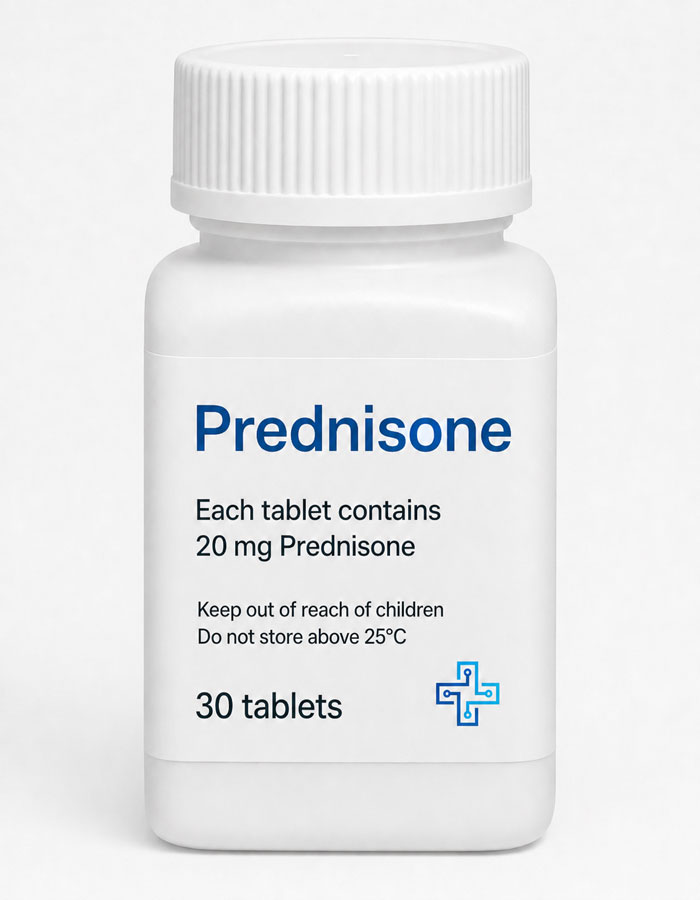
Allergic reactions. In severe allergic conditions, prednisone serves as an instrument for rapidly modifying the vascular and cellular components of the reaction. By lowering capillary permeability, reducing tissue swelling, and stabilizing cells responsible for the release of inflammatory mediators, prednisone interrupts the escalation of allergic responses. This is especially important when airway function is threatened or when cutaneous manifestations expand aggressively. Timely suppression of inflammatory mediator activity prevents the reaction from progressing toward more dangerous systemic involvement.
Autoimmune diseases. When the immune system mistakenly attacks its own tissues, prednisone becomes a central tool for controlling the chronic destructive mechanisms underlying autoimmune pathology. It reduces the activity of T-lymphocytes, dampens macrophage-driven inflammation, and limits cytokine production, thereby slowing the progression of tissue damage. This makes prednisone valuable in disorders such as rheumatoid arthritis, systemic lupus erythematosus, vasculitides, and autoimmune dermatologic conditions. By preventing the immune system from maintaining a continuous destructive cycle, prednisone preserves joint mobility, supports vascular stability, and protects skin structures from long-term deterioration.
Respiratory system diseases. Inflammatory processes within the airways often progress rapidly and can lead to significant compromise in pulmonary function. Prednisone directly reduces mucosal swelling, decreases bronchial hyperreactivity, and limits the infiltration of inflammatory cells. These effects are crucial in acute exacerbations of asthma and chronic obstructive pulmonary disease, where prompt stabilization can prevent the progression to respiratory failure. Prednisone is also used in slower-developing inflammatory conditions such as sarcoidosis and certain interstitial lung diseases, where ongoing inflammation threatens to remodel lung tissue and diminish gas exchange efficiency.
Neurological conditions. Neural tissues are particularly sensitive to inflammatory edema and pressure changes. Prednisone reduces inflammatory infiltration around nerve fibers, helps relieve compression, and limits further demyelinating activity. This targeted effect is vital in conditions such as optic neuritis and exacerbations of multiple sclerosis, where preserving conduction along nerve pathways and minimizing long-term functional loss are priority goals. Prednisone’s ability to restrain inflammatory expansion helps prevent neurologic deterioration during acute episodes.
Dermatological diseases. Many severe skin disorders involve immune-driven inflammation that extends beyond superficial layers and requires systemic intervention. Prednisone reduces cellular infiltration in the dermis, decreases erythema, and slows hyperproliferative processes affecting the epidermis. This approach is especially beneficial in atopic dermatitis, severe forms of eczema, and refractory psoriasis, where uncontrolled inflammation significantly impairs skin function, comfort, and quality of life. By targeting deeper immunological mechanisms, prednisone prevents recurrences from escalating into widespread or chronic forms.
Post-transplant management. In transplant medicine, prednisone is incorporated into immunosuppressive regimens to modulate the intensity of the host’s immune response to the graft. By limiting T-cell activation and dampening cytotoxic pathways, prednisone reduces the likelihood of acute rejection episodes. Its stabilizing effect on immune surveillance allows the transplanted organ to integrate more effectively while maintaining sufficient immune competence to resist infectious threats under close monitoring.
Hematologic disorders. Certain blood abnormalities arise from dysregulated immune recognition, leading to excessive destruction of erythrocytes or platelets. Prednisone helps restore hematologic balance by reducing macrophage-mediated cell clearance and suppressing autoantibody production. This mechanism is essential in autoimmune hemolytic anemia and immune thrombocytopenic purpura, where preventing further loss of cellular elements reduces the risk of bleeding complications and protects bone marrow reserves.
Severe inflammatory processes. When inflammation affects joints, gastrointestinal tissues, or systemic connective structures, prompt intervention is critical to prevent structural degradation. Prednisone reduces the intensity of inflammatory mediator release, diminishes tissue edema, and limits painful infiltration. In exacerbations of Crohn’s disease, ulcerative colitis, or migratory polyarthritis, this rapid modulation of immune activity helps prevent uncontrolled progression and supports the transition to longer-term therapeutic strategies aimed at remission maintenance.
To illustrate the functional landscape of prednisone’s clinical application, the following table summarizes the key therapeutic areas in which the medication demonstrates consistently strong performance. This structured overview helps highlight how prednisone adapts to different inflammatory and immune-driven conditions, clarifying the specific goals and clinical priorities within each category.
| Clinical Category | Core Indications | Primary Therapeutic Objective | Additional Notes |
|---|---|---|---|
| Allergic Disorders | Escalated allergic reactions, rapid-onset edema, complex drug sensitivities | Stabilize vascular behavior and interrupt mediator-driven escalation | Often used when symptoms spread unpredictably |
| Autoimmune Diseases | Connective tissue diseases, vasculitis clusters, immune dermatologic syndromes | Reorganize immune signaling loops and prevent structural tissue decline | Supports long-term immune modulation |
| Respiratory Conditions | Unstable asthma phases, COPD spikes, granulomatous inflammation | Reduce mucosal congestion and restore airway dynamics | Important for urgent respiratory instability |
| Dermatologic Disorders | Barrier-disruptive eczema, immune psoriasis variants | Limit infiltration density and normalize dermal response | Prevents extensive surface inflammation |
| Hematologic Conditions | Immune cytopenias, antibody-driven cell depletion | Interrupt immune clearance loops affecting circulating cells | Protects marrow-dependent stability |
| Post-Transplant Use | Recipient-graft immune balancing | Moderate T-cell activation and prevent rejection | Foundational in early transplant protocols |
Access to Prednisone – What Patients Should Know
Prednisone has earned a reputation as a medication that offers broad clinical value when rapid modulation of inflammation is required. For many patients, timely access determines how effectively symptoms can be brought under control, especially in conditions where the inflammatory process escalates quickly or affects vital organ systems. Seeking prednisone requires an understanding of how availability varies across regions, what forms and dosages are most widely distributed, and how responsible use aligns with modern clinical practice. The points below outline the key aspects of access that support predictable and safe incorporation of prednisone into a therapeutic plan.

Patients frequently encounter prednisone in several formulations, each designed for specific patterns of use. Immediate release tablets dominate routine clinical scenarios because they allow flexible titration and straightforward adjustment of daily doses. Liquid forms are valuable when swallowing poses difficulties or when incremental dosing is essential for sensitive groups. Delayed release options are designed to match circadian patterns of inflammatory mediator output. Access to these formulations typically depends on local inventory policies and the range of products supported by pharmacies in a given region. Understanding this landscape helps patients anticipate the most practical format for their condition.
In regions with broad pharmaceutical infrastructure, prednisone is distributed through both local pharmacies and large networks that maintain consistent stock levels. This provides a dependable pathway for patients who require rapid initiation of therapy or need timely refills. Some pharmacies also offer detailed dosage guides or structured informational leaflets, helping users navigate the practical aspects of tapering, dose transitions, and treatment duration. Because prednisone often participates in long courses or repeated cycles, a stable and uninterrupted supply reinforces therapeutic consistency and reduces the risk of irregular dosing patterns.
Cost may vary depending on brand, dosage strength, and formulation type. Generic prednisone tends to be highly accessible and remains one of the more affordable systemic anti inflammatory agents. In many regions, a broad selection of generics supports competitive pricing and ensures that cost rarely becomes a barrier to timely therapy. Availability of multiple manufacturers also helps maintain supply stability during periods of high demand. For patients who rely on consistent dosing schedules, predictable pricing simplifies long term planning, particularly in chronic immune mediated or respiratory conditions where prednisone may be used repeatedly as part of a structured regimen.
Patients seeking prednisone online should focus on clarity of product descriptions, transparent dosage options, and accurate labeling. Platforms that present full product details, batch information, and verified composition provide a stronger basis for confident selection. Online access may be particularly valuable in areas where local inventory is limited or where specialized formulations, such as liquid suspensions or rare dosage strengths, are needed. Reviewing available strengths and form factors helps patients align their purchase with the dosing adjustments recommended by their clinician.
To support predictable therapeutic results, patients benefit from understanding how prednisone is typically incorporated into broader treatment strategies. The medication is frequently used in pulsed, tapered, or combination regimens, depending on the nature of the underlying condition. Awareness of these strategies allows patients to plan ahead, ensuring continuous access to needed doses during tapering phases or scheduled adjustments. Many treatment plans require short periods of higher dosing followed by gradual reductions, making advance preparation essential. Easy access to multiple tablet strengths enables smooth transitions without compromising dose accuracy.
Mechanism of Action – How Prednisone Regulates Inflammation and Immune Activity
Prednisone operates through a complex, multilayered mechanism that influences nearly every component of the inflammatory and immune response. After entering the systemic circulation, the drug is converted into its active form, prednisolone, which exhibits strong affinity for intracellular glucocorticoid receptors. These receptors act as molecular switches that modify gene expression, suppressing pro inflammatory pathways and activating protective regulatory circuits. This dual action explains why prednisone remains effective across an exceptionally wide spectrum of conditions, from acute allergic crises to chronic autoimmune disorders. Because inflammation arises from a cascade of cellular interactions, interrupting the cascade at multiple points allows prednisone to quickly restore balance and reduce the intensity of symptoms.
One of the core mechanisms involves downregulation of cytokines—small signaling proteins that coordinate immune cell activity. Prednisone reduces the synthesis of interleukin 1, interleukin 6, tumor necrosis factor alpha, and other mediators responsible for amplifying inflammation. By altering transcription within immune cells, prednisone prevents the excessive recruitment of macrophages, neutrophils, and lymphocytes into inflamed tissues. This reduction in cellular traffic plays a central role in preventing tissue destruction, swelling, and the formation of inflammatory infiltrates. In conditions characterized by runaway immune activation, this suppression is essential for protecting organs from irreversible damage.
A second major component of prednisone’s activity involves modulation of vascular behavior. Inflammatory processes increase the permeability of blood vessels, allowing proteins and immune cells to move into surrounding tissues. Prednisone stabilizes endothelial membranes, reduces leakage, and limits the formation of edema. This effect is especially important in respiratory and dermatologic conditions, where swelling can impair airway function or contribute to pronounced skin inflammation. Restoring vascular stability helps normalize tissue oxygenation and prevents accumulation of inflammatory exudates that would otherwise prolong or intensify symptoms.
Prednisone also influences the balance between pro inflammatory and anti inflammatory genes through its interaction with glucocorticoid response elements on DNA. By activating inhibitory pathways, it increases the production of regulatory proteins that naturally suppress inflammation. Among these proteins, lipocortin 1 plays a prominent role in blocking phospholipase A2, an enzyme required for generating arachidonic acid derivatives. Because these derivatives include prostaglandins and leukotrienes—powerful promoters of inflammation—this blockade significantly reduces the magnitude of inflammatory signaling. As a result, tissue irritation, pain sensitivity, and localized reactions become markedly less intense.
Another crucial mechanism involves the drug’s impact on immune cell differentiation and survival. Prednisone induces apoptosis in certain activated T cells, limits B cell antibody production, and decreases macrophage antigen presentation. These actions collectively reduce the strength of autoimmune reactions, preventing the immune system from sustaining prolonged attacks on healthy tissues. This immunomodulatory profile makes prednisone not only a suppressor of acute inflammation but also a stabilizer of chronic immune dysregulation. In conditions like systemic lupus erythematosus, vasculitis, and inflammatory bowel disease, this targeted downscaling of hyperactive immunity provides a foundation for long term disease control.
Prednisone’s ability to rapidly alter inflammatory dynamics is also linked to its influence on cell membrane signaling. By modifying membrane permeability and reducing oxidative stress within inflammatory cells, prednisone helps stabilize cellular microenvironments. This stabilizing effect prevents further activation of signaling pathways that would otherwise continue to drive immune escalation. This is particularly important during acute flares, where immediate intervention is necessary to prevent systemic complications. The speed at which prednisone achieves this makes it indispensable in emergency scenarios, including severe asthma attacks, anaphylactoid reactions, and neurological inflammatory episodes.
Because prednisone exerts its action at several distinct levels—genomic, cellular, and vascular—the drug provides a uniquely broad therapeutic reach. It can regulate immune activity with remarkable precision, reduce damaging inflammation, and restore system wide physiological stability. This capability explains why prednisone remains a preferred agent in both acute and chronic care settings. Its mechanisms collectively form a resilient pharmacological framework, allowing clinicians to tailor therapy intensity to patient needs with predictable and effective results.
Where to Buy Prednisone and How to Choose the Right Option?
Purchasing prednisone requires a thoughtful and structured approach, especially because this medication plays a decisive role in the management of complex inflammatory and immune driven conditions. Patients often seek a balance between accessibility, reliability of supply, and assurance that the product they receive corresponds exactly to the prescribed dosage and formulation. Understanding where prednisone can be obtained, how to assess available options, and what practical factors should guide the selection process helps create a predictable and safe therapeutic experience. Because treatment courses may involve tapering, alternating doses, or extended regimens, ensuring that the chosen source can provide uninterrupted access is essential for maintaining treatment consistency.
Local pharmacies remain the most traditional and commonly preferred point of access for prednisone. Their advantages include immediate availability, the ability to consult directly with a licensed professional, and confidence that the medication meets regulatory standards for safety and quality. Many community pharmacies maintain robust inventories of core prednisone strengths such as 5 mg, 10 mg, 20 mg, and 50 mg. Some may also offer liquid forms or specific brands favored in long term regimens. Patients who value face to face clarification or need guidance on managing dose transitions often find local pharmacies to be the most predictable and supportive environment for obtaining prednisone.
For individuals living in areas where pharmacy stock varies significantly or where specialized formulations are not reliably available, large pharmacy chains and national distributors offer a higher degree of consistency. These providers typically maintain standardized inventories and can source additional strengths upon request. The structured logistics of large networks ensure that replenishment cycles are predictable, reducing the likelihood of stock shortages during critical phases of therapy. This can be particularly important for patients who require immediate dose adjustments or who are entering high dose induction stages of treatment.
Online pharmaceutical platforms expand access even further by offering multiple brands, dosage strengths, and formulation options in one place. These platforms may display batch information, ingredient transparency, and detailed product descriptions, enabling patients to compare options with a level of precision that is not always attainable in physical stores. Online options are especially helpful when liquid suspensions, rare strengths, or fast delivery are required. Patients who rely on scheduled tapering plans often prefer platforms that support autoship or subscription style refills, ensuring that each dosage step is available exactly when needed without unexpected delays.
To help patients evaluate online providers responsibly, several practical criteria can guide the selection process. These include clarity of product labeling, availability of multiple dosage strengths, transparent information about shipment and packaging conditions, and clear communication regarding delivery timelines. A trustworthy online provider typically presents comprehensive product specifications and offers responsive support for questions about dosage or formulation. Reviewing such criteria makes it easier for patients to filter options and choose a source that aligns with their ongoing treatment needs.
Price comparison is another factor that influences where patients choose to buy prednisone. Because the medication is widely produced in generic forms, price differences can be significant across sellers and platforms. Patients benefit from comparing unit costs for different strengths, as well as evaluating discounts for multi bottle purchases or refill programs. Below is a simple reference framework illustrating how cost may vary depending on formulation and packaging:
- Standard tablets: The most economical and widely used option, offering the lowest cost per dose and consistent pricing across multiple manufacturers.
- Liquid suspensions: Usually priced higher due to specialized production and storage requirements; often preferred for precise titration or for individuals who have difficulty swallowing tablets.
- High-dose tablets (40–60 mg): Moderately priced, with cost influenced by concentration and brand; suitable for induction phases or short intensive courses.
- Bulk or multi-week refill packs: Frequently the most cost-efficient choice for long tapering schedules or recurring treatment cycles, offering meaningful savings over single-bottle purchases.
Regardless of where prednisone is purchased, the central consideration is whether the source supports stable, predictable, and correctly dosed access throughout the full treatment course. Patients who take time to evaluate available platforms and assess logistical factors—inventory reliability, dosage range, delivery timeframes—position themselves for smoother therapeutic progress and fewer disruptions. With thoughtful selection, prednisone access can be aligned with both clinical needs and personal convenience, enhancing the overall effectiveness of treatment.
Cost and Availability of Prednisone
Prednisone has an unusually stable presence on the pharmaceutical market, but the true structure of its availability is far more layered than simply being "widely accessible." Its distribution is shaped by manufacturing cycles, logistical patterns, and the long-standing clinical demand that keeps this medication at the center of numerous therapeutic protocols. Because prednisone is produced by multiple large-scale manufacturers, supply fluctuations rarely reach the level that affects patient access. Yet its market dynamics still form a distinctive system: pharmacies tend to prioritize stocking mid-range strengths, wholesalers maintain strategic reserves for acute seasonal spikes, and online distributors frequently offer expanded selections to compensate for gaps in local inventories. This interplay creates a supply environment that is not just broad, but resilient—capable of supporting steady treatment courses without the interruptions that can destabilize dose schedules.
One of the defining financial advantages of prednisone is the way its cost structure aligns with real clinical behavior. Instead of erratic price fluctuations tied to branding, technological complexity, or narrow-spectrum indications, prednisone pricing remains anchored to consistent manufacturing templates. This predictable cost base is particularly relevant for patients who undergo long tapering schemes, multi-phase therapy cycles, or recurrent courses triggered by flare patterns. Because treatment intensity can shift quickly—from a short stabilizing burst to a prolonged descending schedule—patients benefit from knowing that medication expenses remain within a manageable financial corridor, even when dose adjustments require several strengths to be used in parallel.
The availability landscape becomes more differentiated when examining the actual formulations patients depend on. Tablets dominate not merely due to convenience but because they support precision during tapering plans—a crucial factor for minimizing rebound inflammatory activity. Liquid suspensions, while produced in smaller quantities, remain essential for select patient groups and therefore command slightly higher prices. High-dose tablets sit at the intersection of affordability and clinical potency: they are produced in moderate volumes yet remain competitively priced because their manufacturing does not rely on specialized technologies. This structure reflects a market shaped not by marketing strategies, but by the practical realities of treating inflammatory conditions that evolve unpredictably and require flexible pharmaceutical tools.
Pharmacy strategies also influence how patients experience availability. Community pharmacies generally maintain a core selection calibrated to local prescription patterns, which often reflect the prevalence of chronic autoimmune conditions, regional respiratory triggers, and dermatologic disease burdens. Larger chain pharmacies rely on centralized distribution systems that can quickly rebalance inventories when demand increases—such as during high pollen seasons or in winter months when respiratory inflammation peaks. Patients benefit from this layered approach: if one tier temporarily lacks a specific strength, another provider typically fills the gap without delay. This redundancy is a major reason why prednisone remains one of the few systemic anti-inflammatory drugs that rarely enters true shortage status.
Online platforms further expand availability by offering a broader catalog than physical pharmacies can maintain. These portals routinely carry multiple dosage strengths from different manufacturers, giving patients the ability to match their prescriptions with the exact formulation needed for a tapering plan. Many online providers also list expected restock intervals, batch expiration dates, and formulation-specific details—information not always visible at the counter of a retail pharmacy. This transparency supports patients who need to plan multi-week treatment regimens, anticipate dosage transitions, or secure several strengths simultaneously to follow a fine-tuned taper without interruption.
To present these availability patterns more clearly, the structure below summarizes how prednisone’s presence across the market aligns with real clinical needs:
- Baseline Availability: Broad, stable presence across pharmacies and distributors due to high clinical demand and multi-manufacturer production.
- Formulation Diversity: Tablets dominate; liquid forms and high-dose variants exist in smaller but consistent supply tiers.
- Price Stability: Predictable across regions; driven by generic competition and standardized production rather than branding.
- Supply Resilience: Multi-tiered distribution prevents long stock gaps and supports uninterrupted therapeutic schedules.
- Online Access: Expands dosage range, improves planning for tapers, and provides transparency regarding restock cycles and batch details.
In practice, the cost and availability of prednisone form a stable framework that directly supports effective clinical outcomes. When patients can reliably access multiple strengths, maintain uninterrupted dose transitions, and anticipate their long-term medication needs without financial strain, prednisone becomes more than a pharmacological tool—it becomes a dependable therapeutic partner. This stability, uncommon in many other systemic therapies, is one of the reasons prednisone remains a cornerstone of advanced inflammatory and immune-modulating treatment strategies across diverse clinical fields.
Do I Need a Prescription to Get It?
Access to prednisone is intentionally structured through prescription channels because of the medication’s profound ability to reshape immune activity. Unlike over-the-counter anti-inflammatory agents that act on isolated biochemical pathways, prednisone influences multilayered immunologic systems and can alter the trajectory of disease processes within hours. A prescription functions not as a barrier, but as a clinical safeguard—ensuring that the use of prednisone aligns with a coherent therapeutic strategy rather than momentary symptom relief. This structure protects patients from the unpredictable consequences of unsupervised corticosteroid exposure and preserves the integrity of long-term treatment outcomes.
The decision to issue prednisone is rarely based on symptoms alone. Clinicians evaluate a combination of diagnostic markers, disease history, progression speed, and the presence of modifiable triggers. Because many inflammatory conditions evolve in irregular waves, the timing and intensity of prednisone therapy must correspond to the phase of the disease, not merely its external manifestations. This is especially true in autoimmune disorders, where excessive or mistimed corticosteroid suppression can mask disease activity, complicate monitoring, or interact unpredictably with other immunomodulating agents. A prescription ensures that these interactions remain controlled and that dosing is proportionate to the immune system’s current state.
Another reason a prescription remains essential is the structured tapering required after most prednisone courses. Abrupt discontinuation can provoke rebound inflammation or adrenal imbalance, emphasizing the need for personalized dose descent schedules. These tapers are not generic: they account for treatment duration, total cumulative exposure, patient sensitivity, and the stability of underlying disease pathways. When supervised by a clinician, tapering becomes a targeted, corrective process rather than a risky guesswork exercise. A prescription protects the patient by anchoring every phase of therapy—from initiation to discontinuation—within a medically informed framework.
Online platforms that offer prednisone for home delivery typically require verification of a valid prescription, but many also streamline the process through rapid teleconsultation models. These systems allow patients to receive simplified evaluations when refills or dose adjustments are needed. For individuals living in remote areas or managing chronic conditions that require repeated short courses, integrated telemedicine services provide continuity without sacrificing oversight. This hybrid model ensures that prednisone remains accessible, while still preserving the clinical safeguards associated with prescription-based distribution.
Modern healthcare offers multiple ways to obtain a prescription, and patients are no longer limited to traditional in-person visits. Short structured consultations, express evaluations, and streamlined follow-up discussions allow the prescribing process to fit smoothly into real life. Telemedicine in particular has become a practical alternative for many individuals: a brief remote consultation is often enough to verify the clinical need, assess risks, and authorize the prescription. This is especially useful for patients who require timely refills, who cannot interrupt ongoing tapering schedules, or who experience flare patterns that demand rapid intervention. In our clinic, this option is also available — patients can receive professional assessment and prescription authorization remotely, without delays or logistical complications.
Prescription systems also help prevent inappropriate or excessive use in conditions where corticosteroids may temporarily reduce symptoms but ultimately worsen the underlying disease mechanism. For example, using prednisone without diagnostic clarity can obscure infections, delay autoimmune diagnoses, or interact adversely with medications metabolized through the same hepatic pathways. A clinician’s assessment helps differentiate situations in which prednisone is a strategic tool from those in which it might unintentionally distort diagnostic precision or provoke complications. In this sense, the prescription requirement actually elevates the therapeutic value of prednisone by ensuring it is deployed in scenarios where benefits decisively outweigh risks.
Ultimately, requiring a prescription for prednisone does not restrict access—it structures access. Patients receive the drug within a context that accounts for the complexity of immune behavior, the timing of inflammatory peaks, and the need for tapering precision. This ensures that every course of therapy contributes to long-term stability rather than short-term suppression followed by destabilizing rebounds. In clinical practice, this model achieves exactly what patients expect from a high-impact medication: effectiveness, safety, and predictable therapeutic outcomes across the entire duration of use.
Generic Alternatives and Their Availability
Generic prednisone occupies a distinct position in the pharmaceutical landscape because its production model is built on consistency, volume, and long-term clinical demand rather than brand-driven marketing cycles. While many medications fluctuate in availability depending on patent status or manufacturing exclusivity, prednisone’s generics form a broad, stable ecosystem supported by numerous producers. This ensures that patients are not limited to a single supplier or formulation; instead, they access a spectrum of therapeutically equivalent products that differ only in secondary characteristics such as tablet shape, excipients, or packaging. These differences are minor from a pharmacological perspective, yet they offer flexibility for patients who require tablets that dissolve more easily, split more cleanly, or align with specific swallowing preferences.
The value of generic prednisone becomes especially clear when examining the structure of chronic treatment. Conditions such as autoimmune disorders, recurrent respiratory flares, severe dermatologic exacerbations, and inflammatory bowel disease often require planned cycles of therapy, where access to multiple dosage strengths makes the difference between a smooth taper and a destabilizing interruption. Generic manufacturers typically produce a wider range of strengths than branded versions, allowing clinicians to fine-tune regimens with the precision needed to avoid hormonal imbalance or inflammatory rebound. Patients benefit from this granularity by being able to follow dose descent schedules without relying on tablet-splitting workarounds or unpredictable availability of specific strengths.
From a cost standpoint, generics establish a financial environment where therapy remains accessible even for long or repeated courses. The pricing of these products is not influenced by brand reputation or promotional expenditures, which keeps cost barriers low and enables large health systems to maintain steady inventories. In practice, this means that even when demand fluctuates seasonally or spikes during regional outbreaks of respiratory inflammation, market pressure is absorbed by the breadth of participating manufacturers. The result is a medication landscape where shortages are uncommon, and patients maintain confidence that their next refill will not require changes to dosage strength or formulation.
Availability is also shaped by distribution patterns unique to generic prednisone. Large national suppliers tend to keep substantial stock in reserve due to the medication’s role in urgent-care scenarios, where rapid initiation of therapy can significantly alter disease progression. Smaller regional pharmacies complement this by stocking essential strengths that reflect local prescribing patterns—an approach that stabilizes supply chains while ensuring tailored access. Meanwhile, online pharmacies expand this ecosystem by offering lesser-known generic brands and formulations that may not be routinely stocked in physical locations. This broader catalogue gives patients the freedom to select versions that best support their tapering strategies or personal tolerability preferences.
Another practical advantage of generics lies in their consistent interchangeability. Because the active ingredient and therapeutic effect remain equivalent across manufacturers, patients may transition between generic brands without compromising treatment quality. This interchangeability serves as an important buffer during periods when one manufacturer experiences delays or when pharmacies shift suppliers. Patients who rely on stable dose-down schedules, long courses, or multi-strength regimens are insulated from abrupt changes that might otherwise force them to modify treatment midstream. Predictability is a critical therapeutic advantage, and generic availability reinforces it on a structural level.
To illustrate the functional landscape of generic prednisone, the following list summarizes key benefits that influence daily treatment planning:
- Wide manufacturer distribution: Multiple producers maintain stable supply, reducing shortages and ensuring consistent availability across pharmacies.
- Expanded strength selection: Generics commonly offer a more diverse range of tablet strengths than branded equivalents, supporting precise tapering schemes.
- Cost efficiency: Competitive pricing keeps treatment accessible for both short emergency courses and long-term management cycles.
- Interchangeability: Patients can switch between generic brands without loss of therapeutic effect or dosing consistency.
- Broader access channels: Physical pharmacies, major chains, and online distributors collectively sustain a resilient supply network.
In practice, generic prednisone forms a therapeutic environment where availability, affordability, and clinical flexibility coexist. This structure supports the diverse needs of patients who require predictable medication access, whether for a rapid stabilizing course or a carefully engineered long-term regimen. The strength of this ecosystem lies in its stability—an advantage that directly contributes to successful inflammatory and immune modulation across multiple clinical specialties.
Pharmaceutical Forms of Prednisone and Clinically Relevant Variants
Prednisone and its related compounds appear in a focused set of pharmaceutical forms, each tailored to a specific therapeutic need. The group is built around the way the body activates or distributes glucocorticoids, and the differences between formulations reflect not chemical ornamentation, but clinical intention. Together they provide a structured system that allows inflammation control across long-term, acute, and strictly localized conditions.
Prednisone is supplied primarily as oral tablets and liquid solutions. Tablets are the foundation for long-term therapy, tapering schedules, and stable daily dosing. Solutions offer finer dose control, which is especially relevant when tailoring reductions or supporting patients who cannot swallow solid forms. Both depend on the body’s ability to convert prednisone into its active counterpart.
Prednisolone is the activated metabolite and exists as oral tablets and liquid preparations. This form is used when the metabolic conversion of prednisone may be unreliable or too slow. Prednisolone provides immediate biologic activity and is widely used in pediatrics, hepatic impairment, and conditions where rapid therapeutic engagement is required. Liquid prednisolone formulations allow precise micro-titration, making them valuable in sensitive dosing contexts.
Prednisolone sodium phosphate expands the system into high-speed systemic intervention. Formulated for rapid distribution, it appears in intravenous and intramuscular injections. In urgent therapy — respiratory crises, severe allergic responses, or intense inflammatory flares — its solubility allows clinical action within minutes. In pediatric medicine, smaller-dose oral drops of the same compound offer consistent absorption and smoother pharmacokinetics than standard solutions.
Prednisolone acetate represents the localized, ophthalmic branch of the family. As a suspension designed for ocular penetration, it is used in postoperative recovery, anterior uveitis, and inflammatory eye conditions where local tissue restoration must occur without systemic effects. Its formulation allows deep, targeted penetration into the anterior segment of the eye, offering high anti-inflammatory intensity in a confined anatomic space.
Methylprednisolone appears as a clinically relevant alternative within the same therapeutic ecosystem. Its intravenous and intramuscular forms support protocols where extremely rapid and high-potency immune modulation is required, such as in neurologic relapses or severe autoimmune flares. Though structurally distinct, it operates within the same clinical decision space as prednisone and prednisolone when metabolic activation or speed of onset drives therapeutic choice.
Methylprednisolone acetate adds a depot-style option for sustained corticosteroid release. Injected intramuscularly, it provides prolonged anti-inflammatory activity without the need for daily oral intake. This makes it a solution for conditions that benefit from steady, long-range steroid influence without continuous systemic peaks.
Delayed-release prednisone (Rayos) introduces a timing-based approach. Designed to release the drug hours after ingestion, it aligns steroid activity with symptom patterns that follow circadian rhythms — such as early-morning stiffness in inflammatory diseases. This form reflects how delivery timing can be as important as dose or molecule when managing chronic inflammation.
To unify these forms into a single view, the table below summarizes their functional roles, activation pathways, and delivery routes:
| Form | Activation | Route | Clinical Focus |
|---|---|---|---|
| Prednisone | Converted in the body | Oral tablets, oral solutions | Long-term therapy, structured tapers |
| Prednisolone | Active immediately | Oral tablets, oral solutions | Pediatrics, hepatic impairment, rapid onset |
| Prednisolone sodium phosphate | Rapid systemic availability | IV/IM injection, pediatric oral drops | Emergency stabilization, acute flares |
| Prednisolone acetate | Local ocular penetration | Ophthalmic suspension | Eye inflammation, postoperative care |
| Methylprednisolone | Active steroid | IV/IM injection | High-intensity systemic intervention |
| Methylprednisolone acetate | Slow-release | Intramuscular injection | Prolonged anti-inflammatory coverage |
| Delayed-release prednisone (Rayos) | Time-programmed release | Oral delayed-release tablets | Circadian-aligned symptom control |
Together, these formulations form a complete therapeutic architecture: systemic, emergency, ocular, metabolic, and circadian-aligned pathways that allow prednisone-based therapy to be adapted to virtually every clinical environment where inflammation must be shaped, slowed, or redirected with precision.
What to Know Before Starting Prednisone Treatment
Beginning prednisone therapy is not merely a decision to suppress inflammation; it is the start of a structured physiological transition where the immune system, endocrine function, and metabolic responses shift into a new operating mode. Before the first dose is ever taken, patients benefit from understanding how prednisone reshapes these internal dynamics and why preparation matters as much as the treatment itself. The most successful prednisone courses occur when the patient enters therapy with clarity: clarity about the treatment objectives, about the pace of dose changes, and about the signals the body may send as it adapts.
One of the foundational elements to understand is that prednisone does not act as a quick standalone intervention. Even in scenarios where it rapidly stabilizes a flare, the drug participates in a broader clinical strategy that anticipates the next phase of care. This means the starting dose is only the first move in a longer sequence that must be executed with precision. Patients who begin therapy knowing the logic behind this sequence—why the dose may remain high for a brief interval, why tapering cannot be rushed, and why symptom relief does not signal the end of treatment—tend to navigate the course with fewer disruptions and better long-term stability.
Before initiating prednisone, it is also essential to consider the unique inflammatory profile of the condition being treated. Some disorders respond predictably to corticosteroid induction, while others exhibit fluctuating patterns that demand closer monitoring. Understanding whether the condition involves episodic surges, slow-burning immune activity, or abrupt systemic flares helps tailor expectations and minimizes anxiety tied to normal physiological shifts during therapy. Patients informed about the “pattern” of their condition are better equipped to interpret changes in energy levels, appetite, or sleep that commonly arise when prednisone begins altering immune momentum.
Prednisone’s influence extends to metabolic pathways, fluid balance, and carbohydrate regulation. These effects are not inherently harmful, but they do require awareness. Before starting therapy, patients should understand how the medication may affect appetite, daily hydration patterns, or the body’s sensitivity to glucose. This awareness encourages thoughtful planning—for example, adjusting meal structure, monitoring salt intake, or aligning daily routines with expected changes in energy cycles. These preparatory steps transform therapy from a reactive process into a proactive one, reducing the likelihood of discomfort and improving adherence.
Tapering represents one of the most critical phases of prednisone therapy, and preparation for it begins before the very first dose. Patients who know in advance that their regimen will eventually shift toward progressively smaller doses approach treatment with a more structured mindset. This awareness fosters discipline: avoiding missed doses, maintaining consistent timing, and resisting the temptation to adjust the taper independently when symptoms fluctuate. Understanding the logic of tapering—why reductions are gradual, why the endocrine system must be given time to resume full cortisol production, and why sudden discontinuation is dangerous—creates a sense of shared clinical purpose between patient and provider.
It is often useful to set expectations using a reference framework that highlights what typically matters most before starting therapy. Below is a concise preparatory checklist that supports smoother treatment initiation:
- Clarify treatment goals: Understand whether prednisone is being used for rapid stabilization, longer-term immune modulation, or as part of a multi-phase regimen.
- Review expected physiological changes: Appetite shifts, water retention, and energy pattern adjustments are normal and manageable when anticipated.
- Plan for tapering early: Know that dose reductions will be structured, gradual, and non-negotiable to prevent rebound inflammation.
- Align daily routines: Eating patterns, sleep schedules, and activity levels may need small adjustments to support metabolic balance during therapy.
- Identify monitoring priorities: Some conditions require lab follow-up, symptom diaries, or closer observation during the initial weeks.
What a patient knows before starting prednisone directly shapes how steadily and efficiently the therapy progresses. Preparation is not about expecting complications; it is about bringing expectations into sync with the physiological shifts triggered by corticosteroid treatment. When someone approaches therapy with a clear grasp of what may unfold, the entire process becomes more orderly, more predictable, and more adaptable to clinical adjustments. A well-formed understanding often defines whether the course feels chaotic or whether prednisone works within a controlled, confident therapeutic framework.
Possible Side Effects of Prednisone and Ways to Reduce Their Impact
Prednisone changes the internal landscape not by creating chaos, but by rearranging the body’s priorities with remarkable authority. What many interpret as “side effects” are better understood as brief negotiations the body initiates while learning to operate under a new regulatory rhythm. Prednisone commands metabolic pathways, stress responses, immune interactions, and endocrine signaling to coordinate differently, and the body tests these new instructions before fully accepting them. This period of negotiation produces sensations that feel unexpected but follow a recognizable logic once a patient understands how the body rehearses new patterns before stabilizing them.
One of the earliest adjustments appears as a shift in internal tempo — a subtle acceleration that is not anxiety, not stimulation, but a redirecting of attention and metabolic readiness. Patients often discover that thoughts move more quickly, tasks feel easier to begin, and mornings carry a kind of structured energy they did not anticipate. Instead of resisting this shift, it helps to observe how it forms a triad of changes: faster cognitive transitions, more assertive appetite cues, and a sharper awareness of small bodily signals. Recognizing this triad transforms confusion into predictability, and patients often repurpose this temporary acceleration to create healthier daily rhythms.
Another transitional state emerges in the form of subtle fluid redistribution. The body, receiving new mineral-handling instructions, temporarily reallocates water to protect tissues undergoing inflammatory resolution. Instead of thinking of this as swelling, it is more accurate to see it as the body adjusting its internal hydraulics. This shift often correlates with three predictable moments: shortly after the morning dose, mid-afternoon when metabolic demand fluctuates, and during early evening when tissues settle into their nightly equilibrium. When patients recognize this pattern, simple adjustments like steady hydration, moderated sodium intake, and evenly spaced meals become strategic tools rather than reactive measures.
Emotional tone can also adjust in a way that is often misunderstood. Prednisone alters neuroimmune communication, which changes how the brain interprets internal signals. Rather than mood swings, many patients experience a form of increased perceptual sensitivity — reactions feel sharper, not stronger. This sensitivity usually follows a short internal cycle shaped by dose timing, sleep quality, and baseline stress levels. Inside that cycle hide three predictable triggers: abrupt environmental overstimulation, extended fasting, and irregular sleep onset. When these are managed preemptively, emotional steadiness becomes not only achievable but surprisingly robust.
Sleep patterns are among the most responsive functions during early therapy. Prednisone does not eliminate sleep; it shifts the body's readiness window. The dose interacts with the circadian cortisol arc, meaning that if taken late, it can stretch the mind’s wakefulness into the night. Patients who anchor the dosage early discover that sleep slowly realigns itself. The process follows its own internal three-step repair: first comes normalization of mental fatigue cues, then stabilization of sleep onset time, and finally restoration of depth and continuity. When these steps are expected—not feared—they unfold with far fewer disruptions.
Digestive responses form the final adaptive domain. Prednisone changes how the stomach interprets glucose availability and how it signals hunger. This does not mean uncontrollable appetite; it means that the digestive system recalibrates to a more assertive pattern. Patients who structure meals with consistent macronutrient balance often find this recalibration stabilizes naturally. The digestive system tends to operate inside three predictable microcycles: pre-dose activation, midday stabilization, and evening normalization. Once recognized, these cycles allow patients to build sustainable eating patterns that reduce discomfort and preserve metabolic balance.
When patients understand these responses as the body’s adaptive choreography rather than a catalogue of problems, prednisone therapy becomes infinitely more manageable. Every reaction follows a logic; every transition has a rhythm. And when that rhythm is understood, prednisone stops being a disruptive force and becomes a highly predictable, precisely controlled therapeutic instrument — one whose temporary adjustments lead directly to long-term stability and clinical improvement.
Optimal Dosage Adjustment and Tapering Principles for Safe Use
Prednisone tapering is not a simple arithmetic descent; it is a recalibration of an endocrine system that prefers continuity over abrupt change. The body interprets each dose reduction as a question: “Can I maintain this level of control without external assistance?” The answer depends not on the number of milligrams removed, but on the rhythm with which it is done. A well-designed taper respects the fact that the adrenal axis is not a machine but a network of reflexes, memory patterns, and biochemical habits. When patients and clinicians consider tapering as a negotiation rather than a countdown, the process becomes smoother, more predictable, and significantly safer.
The opening phase of a taper is always the most revealing. It is here that the body tests whether the new dose still provides sufficient regulatory authority. Many patients perceive this not through symptoms, but through subtle internal checkpoints: the quality of their first hour after waking, the stability of appetite during the morning, and the presence or absence of mid-day sluggishness. These checkpoints serve as an early diagnostic triad, helping identify whether the taper is aligned with the body’s capacity to adapt. Instead of waiting for discomfort, patients can observe these micro-signals to anticipate whether the next dose adjustment will be tolerated or should be delayed. This level of introspective monitoring often prevents the destabilizing oscillations that occur when tapers move too quickly.
As reductions continue, the body gradually shifts from reliance to collaboration. The adrenal glands, once quiet, begin producing small pulses of endogenous cortisol that blend with the tapering exogenous dose. This delicate reawakening is easily disrupted by inconsistent lifestyle patterns, which is why mid-taper stability depends on behavioral anchors. There are three domains that reliably strengthen adrenal recalibration when applied with consistency: morning light exposure to reinforce circadian signaling, balanced potassium intake to support hormonal synthesis and neuromuscular tone, and deliberate hydration timing to stabilize metabolic transitions between meals. These domains are not “tips”; they are physiological leverage points specifically tuned to the hormonal architecture of tapering.
At the midpoint of the taper, reductions often feel disproportionately “heavier” than the numbers suggest. This has nothing to do with inflammation and everything to do with the sensitivity of a system regaining its autonomy. When corticosteroid exposure decreases, the feedback loops between the pituitary, adrenal glands, and immune circuits reactivate in layers. Patients may register these transitions as momentary tension in the joints, slight changes in warmth perception, or brief emotional sharpness. These sensations are not failures of therapy; they are the body’s rehearsal of its own regulatory strength. During this stage, a nested list of stabilizing practices becomes effective because it reflects the body’s layered reactivation: gentle physical mobility within the first waking hour, warm hydration rituals to modulate vascular tone, and controlled pacing of cognitive demands in the early afternoon when cortisol dips naturally.
The final stages of tapering are the most intricate, because the dose reductions are numerically small but biologically meaningful. The organism becomes particularly attuned to routine, and any deviation — irregular sleep, skipped meals, inconsistent dosing times — can temporarily echo through the endocrine system. This is also the phase where a table becomes genuinely necessary to map taper sensitivity, because the relationship between dose size and physiological response is not linear:
| Taper Zone | Approximate Dose Range | Physiological Behavior | Best Support Strategy |
|---|---|---|---|
| Upper Zone | ≥20 mg | Body remains largely reliant on external regulation | Structured morning routine |
| Mid Zone | 10–15 mg | Adrenal activity begins to reengage | Consistency in hydration and nutrient balance |
| Lower Zone | 2.5–7.5 mg | System becomes highly sensitive to timing | Strict dose timing and sleep discipline |
| Exit Zone | 0–2 mg | Full restoration of endocrine autonomy | Gradual reduction of stress load |
This structure illustrates why tapering cannot be rushed in the lower ranges: the system is reacquiring responsibilities it suspended for weeks or months. The goal is not simply to discontinue prednisone but to ensure that the body reclaims its internal architecture without strain. When the taper is synchronized with the body’s readiness, withdrawal is not an abrupt liberation but a guided return to self-regulation.
A well-executed taper creates a sense of continuity rather than interruption. Patients who navigate these transitions with awareness often describe the process not as stepping down from a medication, but as stepping back into their own physiology. This is the essence of safe tapering — it is not a dosage plan, but a collaborative reconstruction of the body’s natural regulatory intelligence.
How to Combine Prednisone with Other Medications Safely
Combining prednisone with other therapies is not a matter of checking compatibility lists; it is a matter of understanding how different mechanisms reshape the body’s internal negotiations. Prednisone establishes a new hierarchy of metabolic and immunologic signals, and every additional medication introduces its own set of instructions. Safe combination therapy requires recognizing where these instructions overlap, where they reinforce one another, and where they compete for the same biochemical pathways. When this dynamic is understood, combination therapy becomes not a risk, but an opportunity for strategic synergy.
The foundation of safe coadministration begins with observing how prednisone alters the body’s “communication bandwidth.” The immune system speaks more quietly, inflammatory mediators lose influence, and metabolic pathways become more responsive to subtle interventions. This makes the body simultaneously more receptive to certain medications and more sensitive to others. The key lies in identifying three conceptual zones that determine compatibility: medications that amplify prednisone’s goals, medications whose mechanisms intersect but do not conflict, and medications that pull homeostasis in an opposing direction. These zones do not form a static list but a structural map that evolves with dose, duration, and physiological context.
In the synergy zone, medications and prednisone strengthen each other’s therapeutic logic. For example, drugs that support respiratory dilation, stabilize autoimmune activity, or assist in reducing inflammatory load often create a coordinated therapeutic effect. Within this zone, the body experiences a kind of therapeutic coherence: prednisone reduces inflammatory noise, allowing companion medications to express their full potential. A patient may notice clearer respiratory responses, more stable energy curves, or a sharper decline in acute inflammatory markers. This is where combination therapy feels intuitive and deeply effective.
The intersection zone is more delicate. Here, medications do not actively conflict with prednisone, but they interact with overlapping pathways — neurotransmission, vascular tone, electrolyte balance, or hepatic metabolism. Because these intersections are subtle, they require structural clarity. A table becomes useful at this point, not as a checklist, but as a conceptual model of how influence flows through shared pathways:
| Shared Pathway | Medication Class | Interaction Behavior | Key Clinical Consideration |
|---|---|---|---|
| Electrolyte modulation | Diuretics, antihypertensives | Amplifies sodium/potassium shifts | Monitor hydration and mineral balance |
| Glucose regulation | Antidiabetic agents | Prednisone increases glucose variability | Adjust dosing window for stability |
| Neurochemical signaling | SSRIs, stimulants | Alters perception of emotional and mental cues | Observe early-dose cognitive shifts |
| Hepatic metabolism | Anti-epileptics, antifungals | Competition for metabolic processing | Stagger dose timing to prevent overload |
The body’s response within this zone often reveals itself through brief, nuanced sensations: subtle changes in focus, shifts in appetite rhythm, momentary fluctuations in warmth or vascular tone. These sensations are not signs of incompatibility but indicators that pathways are negotiating space. When recognized early, they allow clinicians and patients to adjust routines — timing, hydration, meal structure — before any true imbalance develops.
The opposition zone encompasses medications that push the organism in a direction counter to prednisone’s temporary logic. These drugs often stimulate strong immune activation, alter cortisol patterns abruptly, or induce metabolic demands that undermine the stability prednisone creates. When these medications are needed, they must be integrated with precision. This phase benefits from a nested list — the kind that expresses not symptoms, but tensions the body may experience while reconciling conflicting instructions:
- Competition for metabolic priority: the body may struggle briefly to satisfy two different biochemical demands.
- Competing circadian cues: the nervous system may receive mixed signals about wakefulness and rest.
- Dual inflammatory messaging: immune pathways may oscillate between suppression and activation.
These tensions only become problematic when unrecognized. When anticipated, they are manageable through timing strategies, environmental control, and stabilized hydration-nutrient patterns. Simply shifting one medication to a different hour can transform an oppositional pairing into a tolerable coexistence.
Safe combination therapy with prednisone is not about memorizing prohibited pairings. It is about reading the internal dialogue between mechanisms and recognizing how the body negotiates multiple instructions at once. The organism is not fragile — it is adaptable — but its adaptability is most effective when transitions are smooth, predictable, and aligned with physiological rhythms. When clinicians and patients work with these rhythms rather than against them, combining prednisone with other medications becomes an exercise in precision rather than risk.
Why Prednisone Remains a Widely Utilized Anti-Inflammatory Option
Prednisone holds its position in modern therapy not because it is old, familiar, or convenient, but because it consistently performs in situations where the body’s inflammatory machinery must be subdued with precision. What makes it exceptional is not its strength alone, but its adaptability: it can intervene during acute immunologic chaos, sustain long-term disease control, or act as a bridge therapy while clinicians identify deeper pathogenic drivers. This versatility is rare. Most medications operate within narrow mechanistic corridors, but prednisone exerts influence across multiple biological “layers”—from vascular permeability to cytokine orchestration—allowing it to restore order in conditions that otherwise progress unpredictably.
Its longevity in clinical practice can be traced to the clarity of its therapeutic logic. Prednisone intervenes at the level of signaling rather than symptoms. Instead of suppressing inflammation as a surface phenomenon, it modulates the way immune cells communicate, migrate, and escalate responses. This changes the trajectory of disease episodes rather than simply muting them. Patients who have experienced severe autoimmune flares, respiratory crises, or sudden dermatologic escalations often describe prednisone not as a remedy but as a stabilizing force—something that reclaims control when the body’s own feedback systems fail to regulate intensity. This ability to “interrupt” harmful processes quickly is what sets it apart from slower, more selective agents.
There is also an architectural element to prednisone’s influence. It does not force the body into submission; it reorganizes the inflammatory hierarchy. The immune system is not disabled, but re-prioritized. Cells that normally act aggressively are persuaded to retreat, while regulatory signals regain prominence. The elegance of this mechanism becomes especially clear when prednisone is used during transitional phases—post-exacerbation, post-transplant, or during acute immunologic disarray. In these contexts, the medication assists not as a blunt instrument but as a temporary conductor guiding the body back toward coherence. This is the role that newer agents, for all their refinement, often cannot replicate.
The drug’s enduring relevance is also tied to its clinical predictability. Prednisone behaves as expected when dosing is thoughtful and structured. Its rhythm—rapid onset, measurable systemic effect, and a taper that can be architected with high precision—makes it one of the most controllable anti-inflammatory tools available. Many modern immunomodulators are powerful but opaque: they require slow titration, delayed evaluation, and prolonged observation before therapeutic direction becomes clear. Prednisone is the opposite. It reveals its trajectory within hours or days, giving clinicians a dynamic sense of the patient’s inflammatory behavior and revealing the underlying reactivity of disease. In this way, prednisone functions not only as therapy but as a diagnostic lens.
Crucially, prednisone continues to integrate seamlessly with a wide range of therapeutic strategies. It can support biologic initiation, buffer the unpredictability of taper-sensitive conditions, or stabilize multi-organ responses during complex treatment courses. This integrative capacity is one of the reasons specialists across disciplines—rheumatology, pulmonology, neurology, dermatology, gastroenterology—continue to rely on it. No other single agent bridges so many therapeutic domains without requiring specialized infrastructure or prolonged observation windows. Prednisone works whether the setting is a critical care unit, outpatient clinic, or home-based recovery plan.
Even as newer agents redefine long-term immunomodulation, prednisone remains the one therapy capable of intervening decisively when patients cannot wait for gradual correction. Its role has evolved: it is no longer seen as the centerpiece of chronic management but as the stabilizer that protects tissue, function, and time while long-term solutions take shape. This supporting role is not a downgrade—it is a recognition of its unmatched reliability in acute and transitional states. Prednisone remains widely utilized because it continues to deliver something no other class has fully replaced: controlled, predictable, system-wide recalibration of inflammatory activity when it is needed most.
The medication’s endurance in modern medicine is thus not inertia; it is earned relevance. Prednisone occupies the intersection of versatility, speed, predictability, and integrative power. In a therapeutic landscape filled with specialized agents, it stays indispensable precisely because inflammatory disease does not always behave according to specialization. It remains the clinician’s trusted bridge between instability and recovery, capable of adapting to nearly any scenario where inflammation must be redirected with confidence and precision.
Questions? Speak With Our Physician
Dr. Pang and the EnteBella Team is here to help guide you on your personal health and wellness journey so you can feel great and look your best.

Herman Pang, M.D.